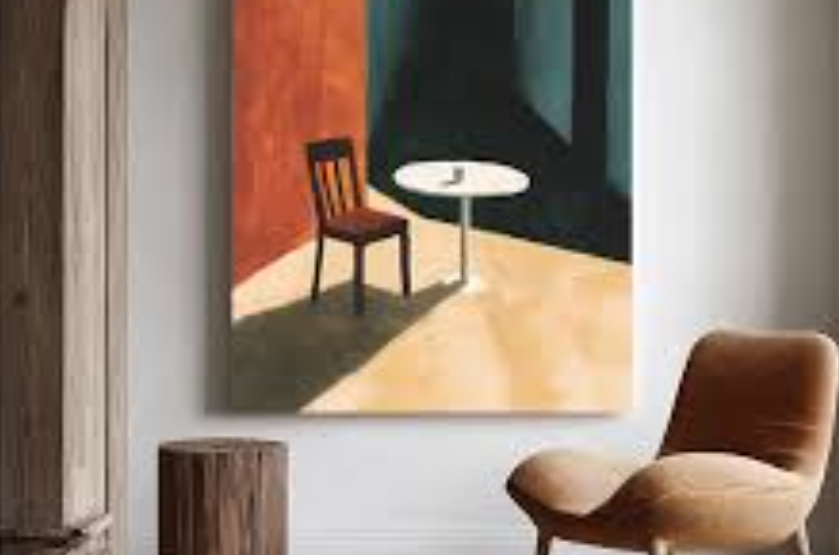
Silence often makes people uneasy.
Not the kind of silence that follows a long day or arrives naturally at night, but the quieter kind—the one that appears when there is nothing demanding attention, nothing asking to be answered, nothing clearly productive to do. In those moments, many of us instinctively reach for sound, words, or distraction.
Silence feels unfinished. And we are taught to finish things.
The Reflex to Fill the Space
When silence appears, the impulse to fill it is almost automatic. We open another tab. We check a message. We speak when we are not sure what we want to say. We label the silence as awkward, empty, or wasted.
This reflex is not accidental. Much of modern life is designed to eliminate quiet gaps. Noise reassures us that something is happening, that we are engaged, that time is being used well.
But silence does not mean nothing is happening.
What Silence Actually Holds
Silence is not the absence of experience. It is often the place where experience begins to surface.
In silence, thoughts slow down enough to be noticed. Feelings that were drowned out by activity become clearer. Subtle discomforts appear, but so do moments of calm and clarity.
Silence holds things that noise cannot.
This does not mean silence is always pleasant. Sometimes it brings restlessness, impatience, or unease. But these responses are not problems to be solved—they are information.
Learning to Stay
Staying with silence is a practice, not a personality trait.
At first, it may feel unnatural. The mind searches for something to do. Time stretches. The urge to escape grows louder. But if you stay just a little longer than feels comfortable, something often shifts.
The silence becomes less threatening. Less urgent. More neutral.
Over time, silence stops feeling like a void and starts feeling like space.
Silence and Inner Listening
When external noise quiets, inner listening becomes possible.
This does not mean dramatic insights or sudden revelations. More often, it means noticing simple truths: fatigue that has been ignored, thoughts that repeat themselves, emotions that ask for acknowledgment rather than solutions.
Silence creates room for these observations to surface without pressure.
Listening in this way does not require interpretation. It only requires presence.
The Difference Between Silence and Isolation
Silence is often confused with isolation, but they are not the same.
Isolation feels cut off. Silence feels open.
One separates us from experience; the other invites us deeper into it. Silence does not remove connection—it changes the way connection is felt.
In quiet moments, connection often becomes less performative and more honest.
Writing in Silence
Writing, like silence, does not need to be filled quickly.
Some sentences take time to arrive. Some ideas need to sit unspoken before they find language. Silence allows this process to unfold without forcing outcomes.
When writing emerges from silence, it tends to be less polished and more sincere. Less certain, but more alive.
Not everything written needs to say something new. Sometimes it only needs to say something carefully.
Choosing Not to Fill Every Gap
Choosing silence is a small act of resistance.
It resists urgency. It resists constant explanation. It resists the idea that every moment must be optimized or shared.
Leaving space unfilled is a way of trusting that not all value is visible immediately.
Some things reveal themselves only when we stop reaching for substitutes.
An Ongoing Practice
Silence is not something to master. It is something to return to.
Some days it feels accessible. Other days it feels impossible. Both experiences are part of the practice.
What matters is not how long you remain in silence, but that you notice when you leave it—and how quickly.
Closing Note
Sitting with silence without needing to fill it is not about becoming quieter or more disciplined. It is about allowing experience to exist without interruption.
Silence does not demand attention. It waits for it.
And when we meet it with patience rather than avoidance, it often gives us more than we expected.
