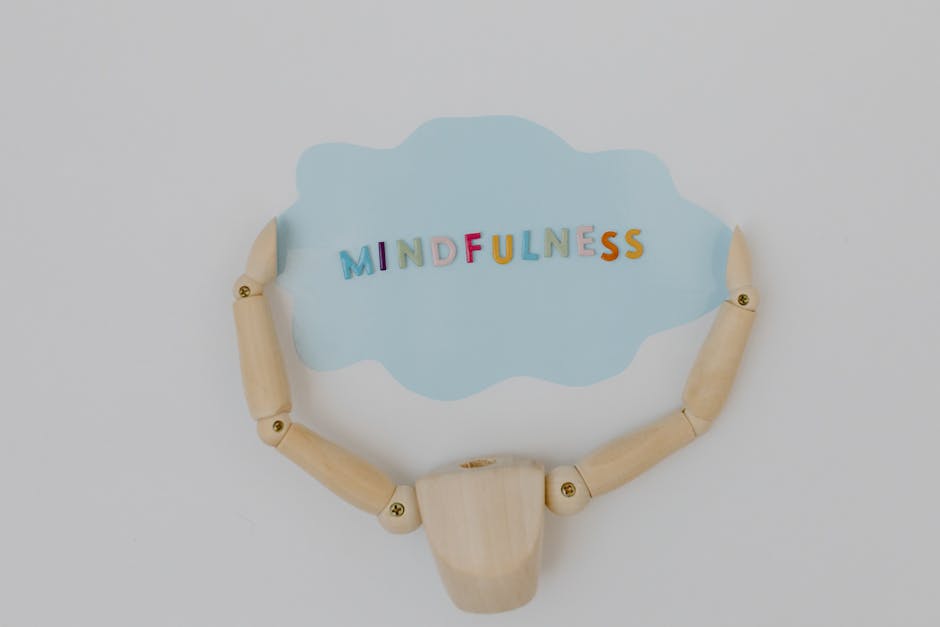
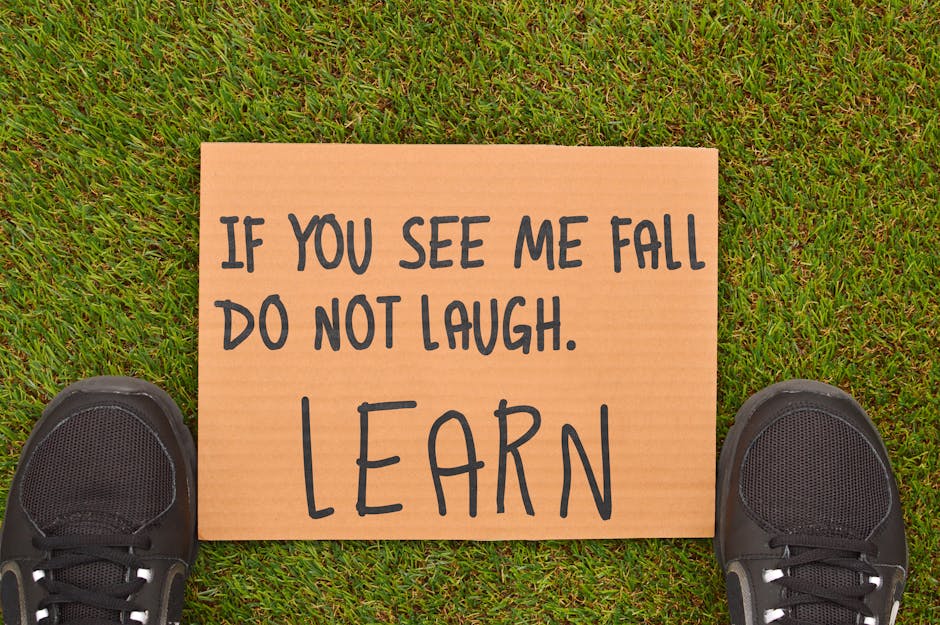
There is a quiet kind of attention that often gets lost in daily life.
Not the sharp, task-oriented attention we use to meet deadlines or respond to notifications, but a softer kind—the kind that notices how light changes in a room, or how a thought arrives and leaves without asking permission. This kind of attention doesn’t demand productivity. It simply asks to be present.
For a long time, I didn’t realize how rarely I practiced it.
The Habit of Skimming Life
Modern life encourages speed. We scroll, skim, summarize, and move on. Even our inner lives are treated this way—feelings are labeled quickly, thoughts are dismissed if they don’t seem useful, moments are judged before they’re fully felt.
Attention becomes transactional. We give it only when something demands it.
Over time, this shapes how we experience the world. Days blur together. Conversations feel thinner. Even meaningful moments can pass without leaving a trace.
What Happens When We Slow Down
Slowing down does not require dramatic changes. It often begins with something almost insignificant: pausing before responding, staying with a thought for a few extra seconds, noticing a physical sensation without naming it immediately.
When attention slows, texture returns to experience.
A cup of tea is no longer just “tea.” It has warmth, weight, a moment of quiet before the first sip. A familiar walk reveals details that were always there but never seen. Thoughts become less aggressive, less urgent. They soften.
This kind of attention doesn’t solve problems directly, but it changes how problems are held.
Attention as a Form of Care
Paying attention is a form of care—toward ourselves, toward others, toward the moment we’re in.
When we pay attention to our inner life, we notice patterns before they become overwhelming. Fatigue speaks earlier. Curiosity reappears. Emotions feel less chaotic because they’re acknowledged instead of suppressed.
This doesn’t mean constant self-analysis. In fact, too much analysis can become another way of avoiding presence. Attention is quieter than that. It watches without immediately interpreting.
Letting Things Be Unfinished
One of the hardest parts of gentle attention is allowing things to remain unresolved.
We are trained to conclude, summarize, and fix. But some thoughts are not meant to reach conclusions quickly. Some feelings need space rather than solutions. Some questions are valuable simply because they exist.
When attention is allowed to linger, it becomes less about answers and more about relationship—how we relate to uncertainty, to silence, to not knowing.
Writing as an Act of Attention
For me, writing has become one way of practicing this kind of attention.
Not writing as performance or output, but writing as listening. Words arrive slowly when attention is patient. Sentences form when there is space for them. The writing doesn’t always say something new, but it often says something true.
This kind of writing resists urgency. It doesn’t need to be published immediately or optimized for response. Its value lies in the act itself—in noticing what wants to be said.
Choosing a Different Pace
Choosing to pay attention is, in many ways, choosing a different pace of living.
It means allowing moments to be incomplete. It means noticing when distraction is a reflex rather than a choice. It means being willing to sit with boredom long enough for something more interesting to surface.
This pace may not be efficient. It may not look impressive. But it feels honest.
An Invitation, Not a Rule
There is no correct way to practice attention. It cannot be forced or perfected. Some days it appears naturally. Other days it slips away.
This is not a failure.
Attention returns when invited, not when demanded. Sometimes it arrives through stillness. Sometimes through curiosity. Sometimes through noticing that you have not been paying attention at all.
Closing Thoughts
Learning to pay attention to what usually goes unnoticed is less about discipline and more about permission—the permission to slow down, to feel without fixing, to observe without labeling.
It is a quiet practice. A subtle one. But over time, it changes the texture of life in ways that are difficult to measure and impossible to fake.
And perhaps that is enough.

Related Posts